case studies

Connecting farms with food banks to rescue surplus produce

DrivenData developed a web application to help a food rescue nonprofit quickly match surplus produce from farms with food banks, placing over 5 million pounds of produce since launch.

The organization

The Farmlink Project is a food rescue nonprofit working to make sure no good food goes to waste while families go hungry. When a grower calls with extra produce, Farmlink delivers it by the truckload to food banks at no cost. Their work not only helps fight food insecurity and hunger, but also keeps produce out of landfills, avoiding the greenhouse gas emissions that come from decomposing food waste.
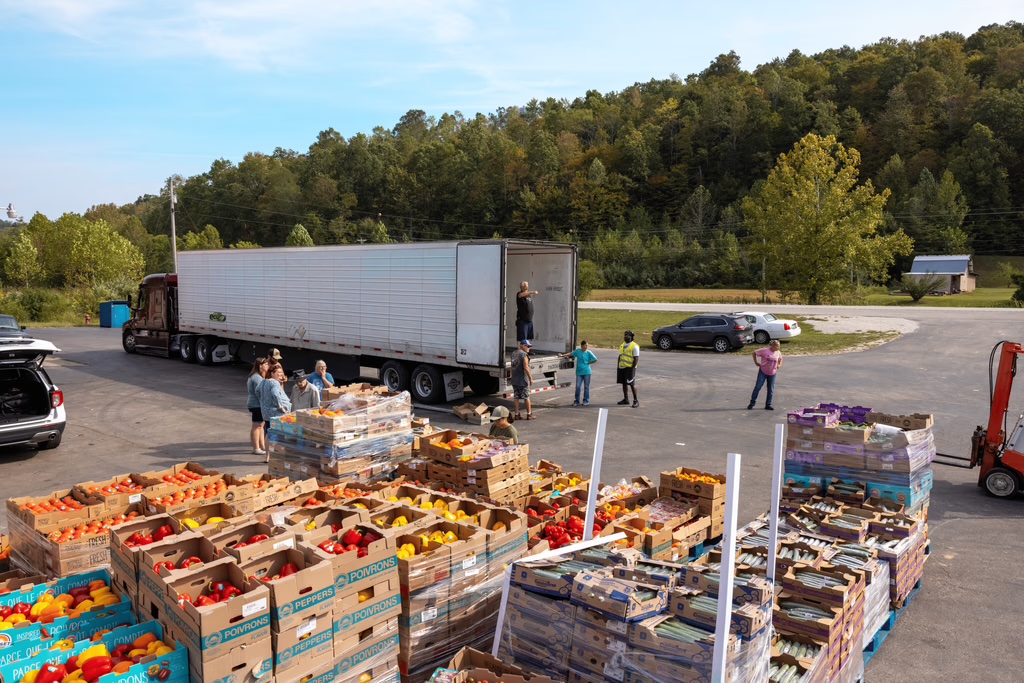
Volunteers unloading pallets of boxed peppers, tomatoes, and cucumbers from a refrigerated truck in a parking lot.
Photo of food distribution from The Farmlink Project.

The challenge

Farmlink's team connects donated produce with hundreds of recipient agencies across the country. Working with fresh produce is a race against spoilage, so speed is of the essence. The work takes diligence, experience, strong relationships with donors and recipients, and a deep understanding of how food moves from farms to food banks. Staff know this network inside and out, but much of that knowledge lived in their heads and inboxes. The key challenges at the outset were:

  • Outreach that didn't scale: The team may handle 20 or more placements in a day, each one involving emails to several possible recipients, with no tool built for the job. Tracking who had been offered what, and who had replied, meant digging through a crowded inbox.
  • No central home for partner information: Who gets asked about a load depends on many factors: distance, state, whether an agency can take a full truckload, who can pick up loads, who to contact, and more. These details lacked a single, consistent place to live, so it was often a challenge to surface the relevant information in the right place at the right time.
  • An incomplete picture of the placement process: To learn from past placements and keep improving, Farmlink needed to see each one in full: which agencies were asked about a load, why they were chosen, and how they responded.

The approach

We started by learning how placements actually get done. Through interviews with Farmlink staff and 12 recipient agencies, ride-alongs on live placements, and early mockups and prototypes, we worked out together how to keep outreach inclusive, which tools would help, and which work would have the most impact. From there, we built a system to help Farmlink place more food with less friction:

  • Placement Tool: We channeled what we learned into a web application designed for placing produce at scale. Staff track a new donation, identify recipient agencies for outreach using distance and capacity filters (e.g., ability to take full truckloads or pick up locally), and email the offer to many agencies with a single click. The tool records each step as structured data: which agencies the search returned, who was selected and emailed, whether each email was delivered and opened, and every reply.
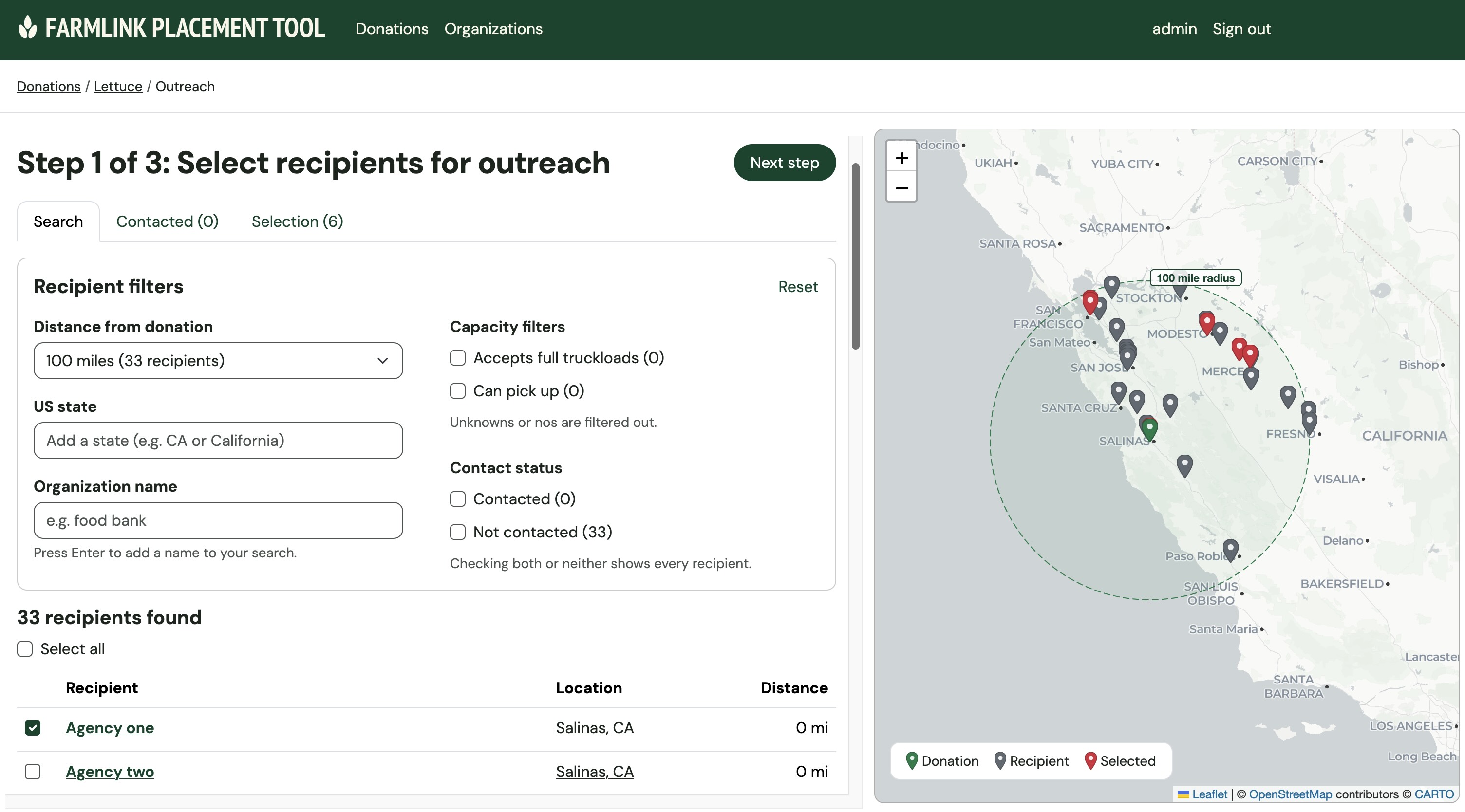
Screenshot of the Farmlink Placement Tool selecting recipients for a lettuce donation from Salinas, with distance and capacity filters on the left and a map of nearby agencies within a 100 mile radius on the right.
Selecting recipients for outreach in the Placement Tool. Fake agency names are shown.
  • CRM: We set Farmlink up on HubSpot as the single place to manage every donor and recipient organization, location, and contact. Before the move, we helped review thousands of records, resolving duplicates, retiring inactive records, and standardizing names and addresses. Staff can now keep notes on agencies, record details about their capabilities, and connect placement with sourcing and fundraising. Changes are immediately synced into the Placement Tool and order system.

  • Data warehouse: All these systems send their data into a Snowflake data warehouse, where it is processed into a dimensional data model using dbt, giving a foundation for reporting and analysis and a record of every offer: who was asked, who opened it, who replied, and what was placed.
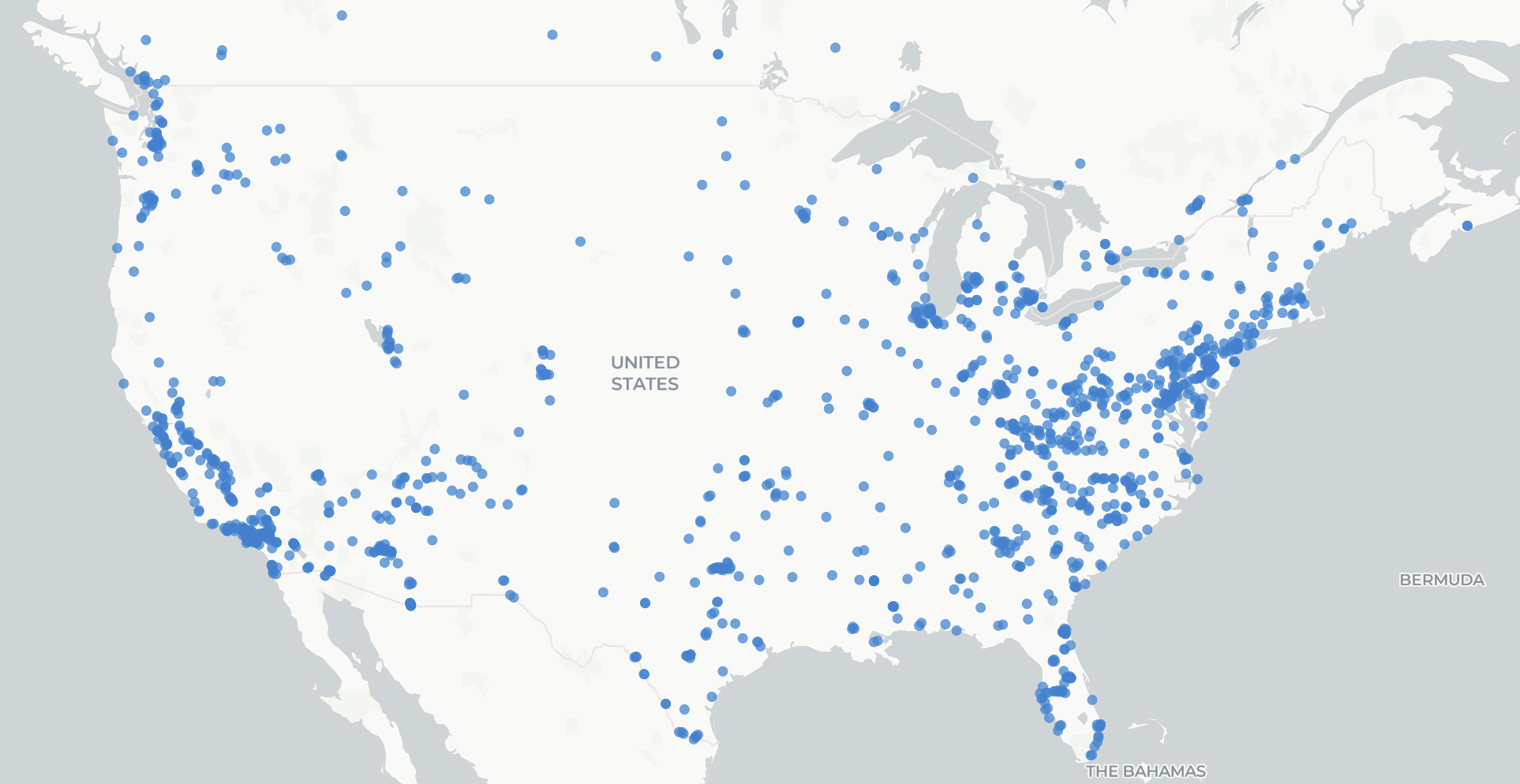
Map of the continental United States with blue dots marking Farmlink recipient locations, concentrated in California, the Northeast, the Southeast, and Florida, and sparser across the Mountain West and Great Plains.
Farmlink's 1,500+ recipient locations.

The results

Farmlink started using the Placement Tool daily for California and Arizona in June 2026.
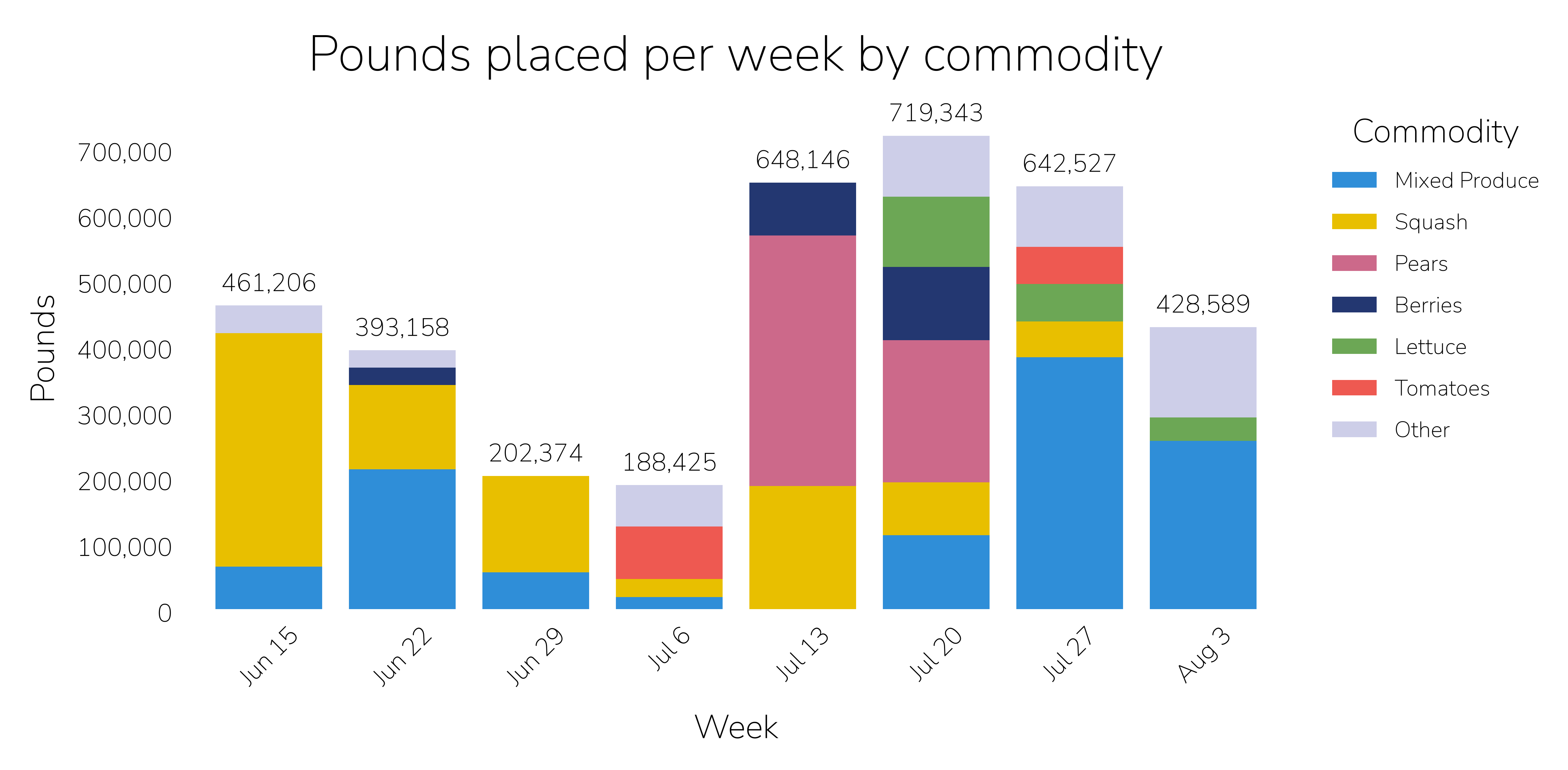
Stacked bar chart of pounds placed per week by commodity from mid-June to early August 2026, ranging from about 190,000 to 720,000 pounds per week, mostly mixed produce, squash, and pears.
Pounds of produce placed through the tool each week by commodity, June to August 2026.

In October, we expanded the scope to agencies nationwide, and as of November, over 5 million pounds of produce had been placed through the tool to agencies in 11 states.

The systems and tools DrivenData has helped us build are empowering our team in ways we had long dreamed of, and equipping Farmlink with the sophisticated data and technical foundation to take our mission to the next level.

Julia DeSantis, Director of Sustainability, The Farmlink Project

Our real-world impact

All projects
Partners: Max Planck Institute for Evolutionary Anthropology, Arcus Foundation, WILDLABS

Automating wildlife identification for research and conservation

Detected wildlife in images and videos—automatically and at scale—by building the winning algorithm from a DrivenData competition into an open source python package and a web application running models in the cloud.

Partner: CodePath

Data engineering from the ground up

Built data infrastructure to ingest, clean, integrate, and organize data across CodePath, created interactive dashboards for accurate monitoring of program trends, and provided trusted data expertise to identify and hire talent to carry the work forward.

Partner: The National Center for State Courts

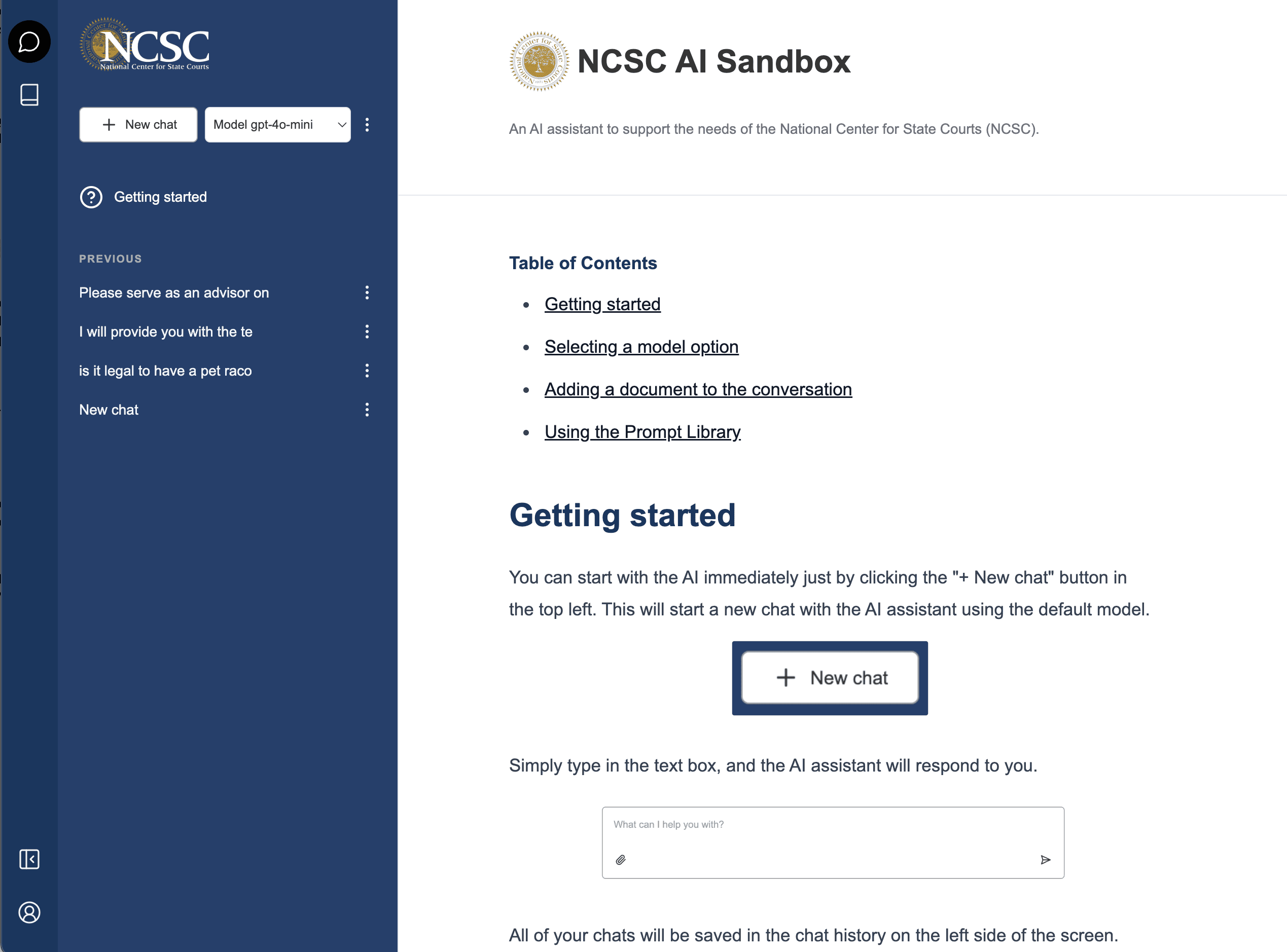
Building a private LLM sandbox for NCSC

We worked with the National Center for State Courts to build an LLM chat sandbox for private usage. This sandbox allows users to experiment with LLM tools in a way that is safe, secure, and cost-effective, with specific use cases and prompts relevant to their work.

Partners: The World Bank, The Conflict and Environment Observatory

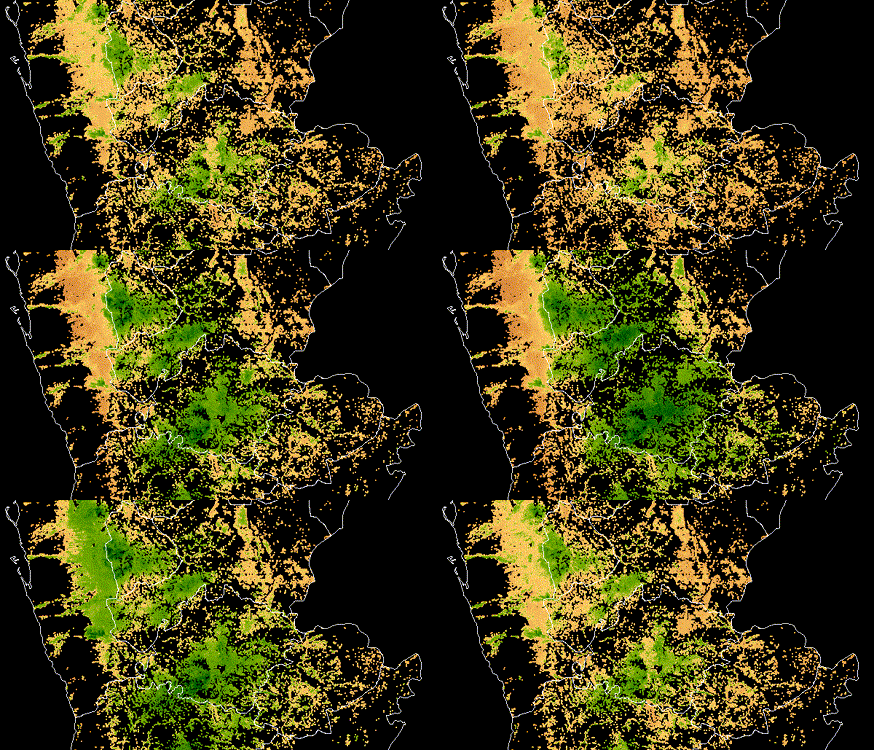
Identifying crop types using satellite imagery in Yemen

Used satellite imagery to identify crop extent, crop types and climate risks to agriculture in Yemen, informing World Bank development programs in the country after years of civil war.

Partner: The Farmlink Project

Connecting farms with food banks to rescue surplus produce

Developed a web application to help a food rescue nonprofit quickly match surplus produce from farms with food banks, placing over 5 million pounds of produce since launch.

Partners: Private sector, social sector

Building applied solutions with LLMs

Built solutions using LLMs for multiple real-world applications, across tasks including semantic search, summarization, named entity recognition, and multimodal analysis. Work has spanned research on state-of-the-art models tuned for specific use cases to production ready retrieval-augmented AI applications.

Partners: Bureau of Ocean Energy Management, NOAA Fisheries, Wild Me

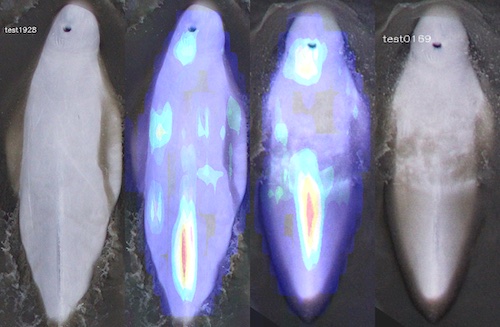
Protecting endangered beluga whales with computer vision

Designed and administered a computer vision challenge that produced state-of-the-art machine learning models to identify and match individual endangered beluga whales from photo surveys.

Partner: EverFree

A production application to support survivors of human trafficking

Built the Freedom Lifemap platform, a digital tool designed to support survivors of human trafficking on their journey toward reintegration and independence

Partner: ReadNet

Crowdsourcing solutions for AI assisted early literacy screening

Ran a machine learning challenge to develop automatic scoring methods for audio clips from literacy screener exercises. Automated scoring can help teachers quickly and reliably identify children in need of early literacy intervention.

Partner: Science for America

Making higher education data more accessible

Created an open source Python library and interactive data visualization platform for analyzing U.S. higher education data and illuminating trends and disparities in STEM education.

Partner: BetterUp Labs

Building research infrastructure for conversational AI

Developed the data infrastructure, machine learning pipelines, and research tools for the CANDOR Corpus with BetterUp Labs—enabling large-scale insights into human conversation.

Partner: Center for Opportunity and Wealth Data

Quantifying unclear property titles (“tangled titles”) trapping billions in wealth in American cities

Analyzed property data to better understand the prevalence of “tangled titles”, a barrier impeding intergenerational wealth transfer and disproportionately impacting Black property owners.

Partner: Candid

Linking nonprofit grants to organizations with machine learning

Built Orgmatch, a scalable and explainable entity resolution system to add value to information processed by a leading nonprofit data hub.

Partner: IDEO.org

Illuminating mobile money experiences in Tanzania

Analyzed millions of mobile money records to uncover patterns in behavior, and then combined these insights with human-centered design to shape new approaches to delivering mobile money to low-income populations in Tanzania.

Partners: Insecurity Insight, Physicians for Human Rights

Tracking attacks on health care in Ukraine

Built a real-time, interactive map to visualize attacks on the Ukrainian health care system since the Russian invasion began in February of 2022. The map will support partner efforts to provide aid, hold aggressors accountable in court, and increase public awareness.

Partner: Wellcome

Addressing algorithmic bias in medical research

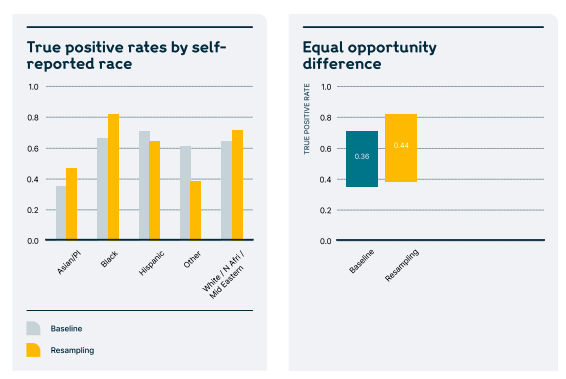
Conducted a literature review to understand the current state of bias identification & mitigation in mental health research, and synthesized recommended best practices from the field of machine learning.

Partner: National Oceanic and Atmospheric Administration (NOAA)

Forecasting geomagnetic storms

Designed and ran a global challenge that produced open-source models now powering public, real-time predictions of geomagnetic storm activity to help mitigate space weather risks.

Partner: CABI Plantwise

Mining chat messages with plant doctors using language models

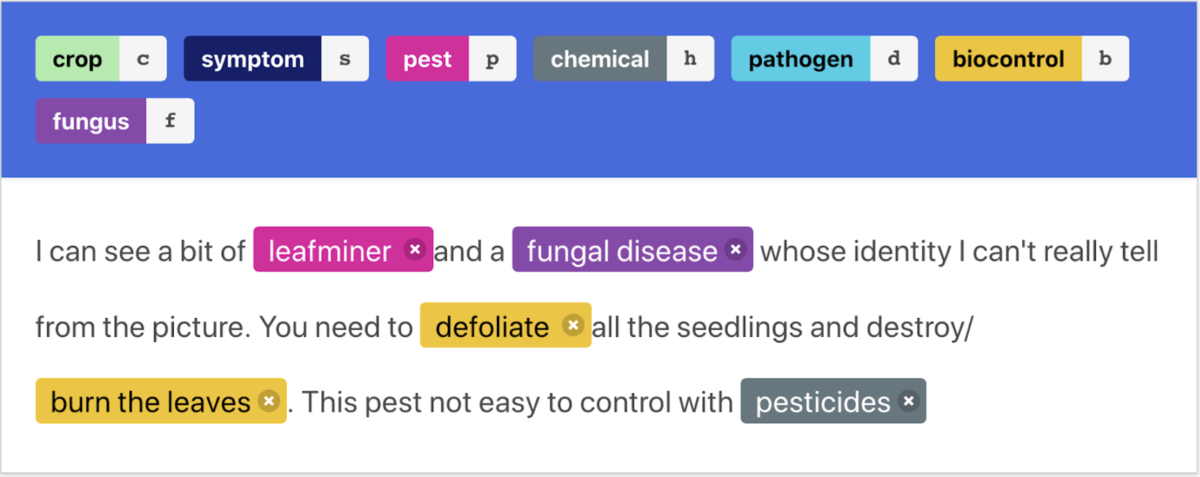
Automated recognition of agricultural entities (such as crops, pests, diseases, and chemicals) in WhatsApp and Telegram messages among plant doctors, enabling new ways to surface emerging trends and improve science-based guidance for smallholder farmers.

Partner: NASA

Monitoring water quality from satellite imagery

Created an open-source package to detect harmful algal blooms using machine learning and satellite imagery. Included running a machine-learning competition, conducting end user interviews, and engineering a robust, deployable pipeline.

Partners: Candid, Center for Opportunity and Wealth Data

Facilitating LLM opportunity workshops

It can be difficult to tell how generative AI can produce the most impact for organizations seeking to incorporate it into their work. We've facilitated human-centered design workshops with our partners to surface how generative AI can accelerate progress toward their goals.

Work with us to build a better world

Learn more about how our team is bringing the transformative power of data science and AI to organizations tackling the world's biggest challenges.