Wildlife conservation posts
Explore the latest in our mission to build a better world using data science and AI.
Explore the latest in our mission to build a better world using data science and AI.
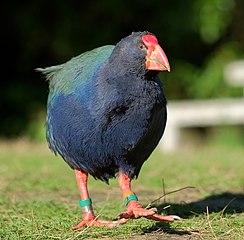
Although Zamba's models are trained with animals from Africa and Europe, they can be used with videos from other locations that show species the models have never seen. We demonstrate with a dataset from New Zealand.
Using probabilistic classifications from Zamba, we can automatically remove a large majority of blank videos while controlling the fraction of wildlife videos we lose. But how do we know where to draw the line?
We can use Zamba's probablistic classifications to search for videos containing specific animals. Particularly for small animals, this strategy can be highly effective.
Using Zamba's probablistic classifications, you can identify and remove blank videos -- saving viewing time, storage space, and data transfer costs -- while minimizing the loss of videos that contain animals.
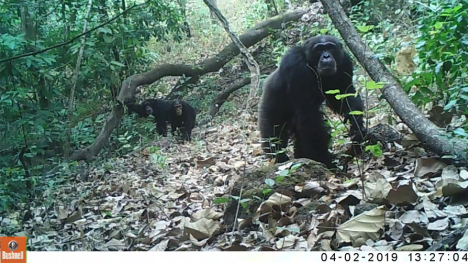
Through the Patrick J. McGovern Foundation Accelerator, DrivenData and the Wild Chimpanzee Foundation are teaming up to create automated, accurate, and accessible species detection tools.
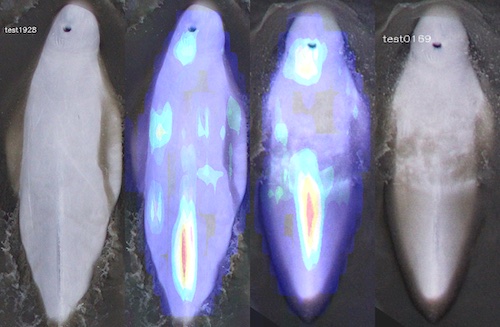
Meet the winners of the Where's Whale-do challenge, and learn about the deep learning models they developed to identify individual Cook Inlet beluga whales from images.
How to get started with the Where's Whale-do beluga photo-identification challenge!
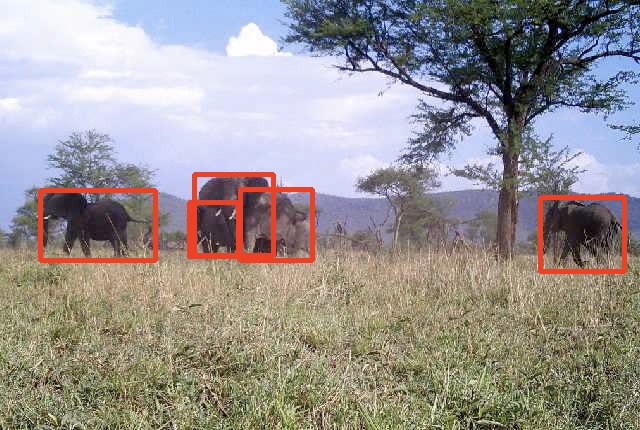
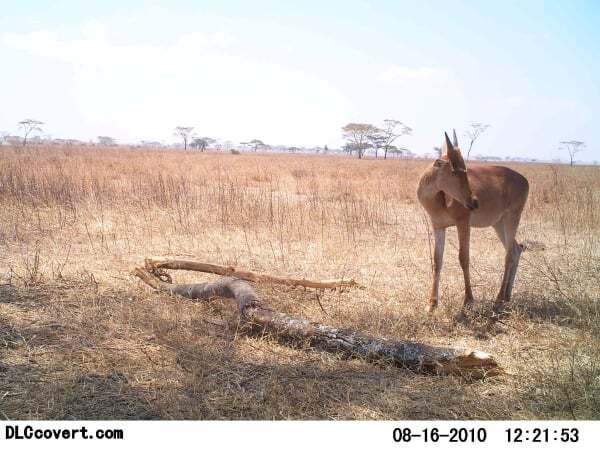
We'll show you how to get started identifying animal species from camera trap images!
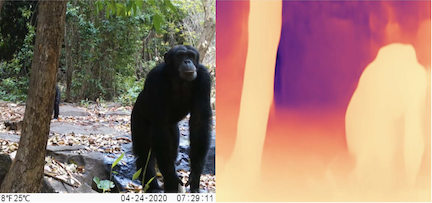
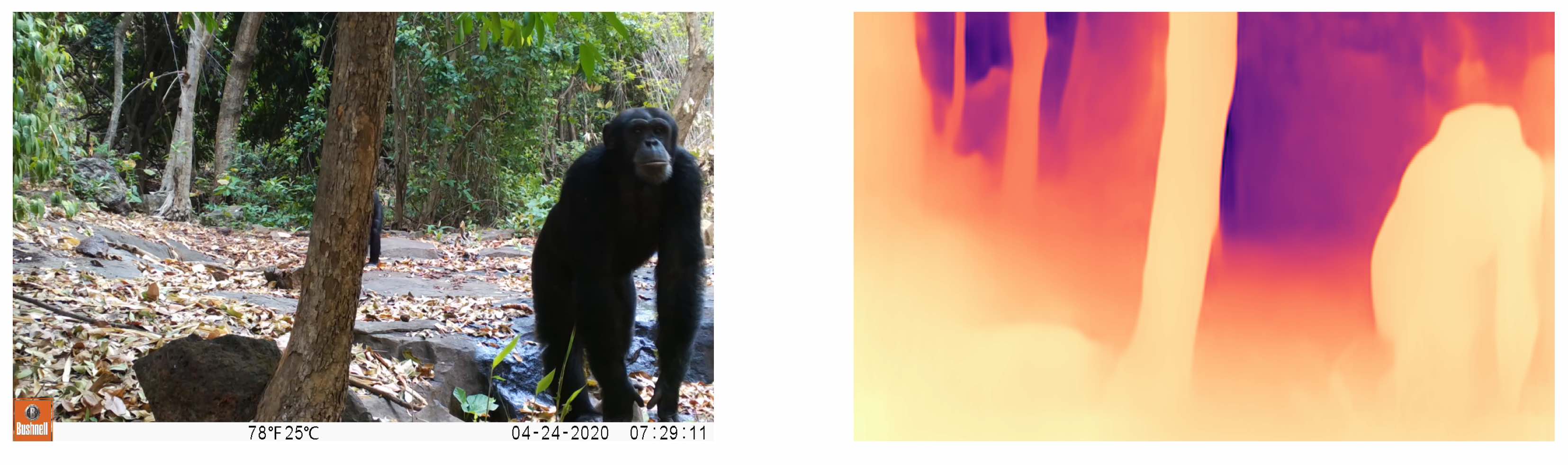
Meet the minds behind the top models for measuring wildlife depth! Accurate depth estimations help ecologists track wildlife populations and protect the ecosystems that depend on them.
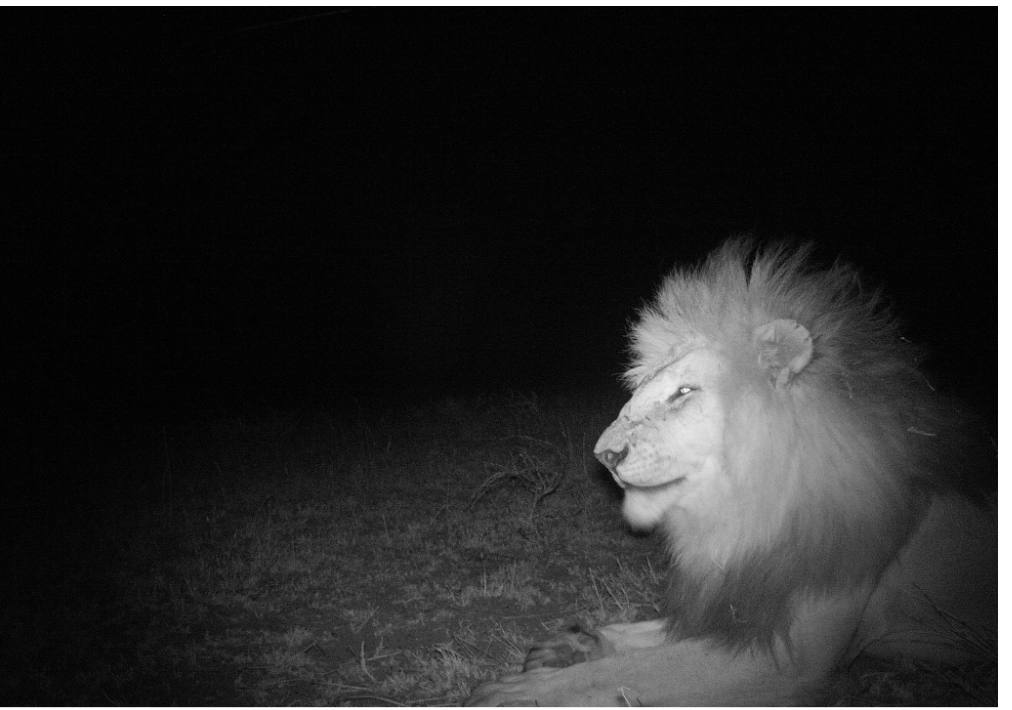
Meet the winners who built the best wildlife identifiers!
We show you how to get off to a wild start on our animal identification competition using a neural network!
Using AI to study the natural world: check out the results!
How about some deep learning to identify wild animals in camera traps? Here's a benchmark post to get contributors started in our newest challenge.
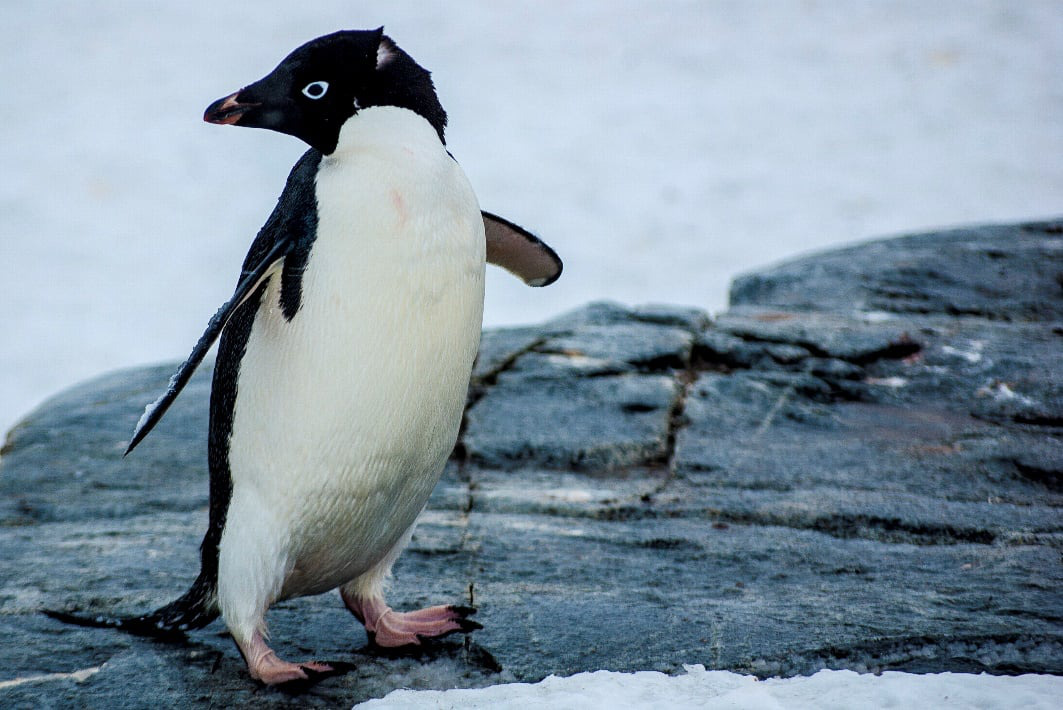
The goal of this data science competition was to reach out to the data science community to build a model that predicts penguin populations.
Penguins are so adorable! Here's our first pass at predicting penguin populations in Antarctica.
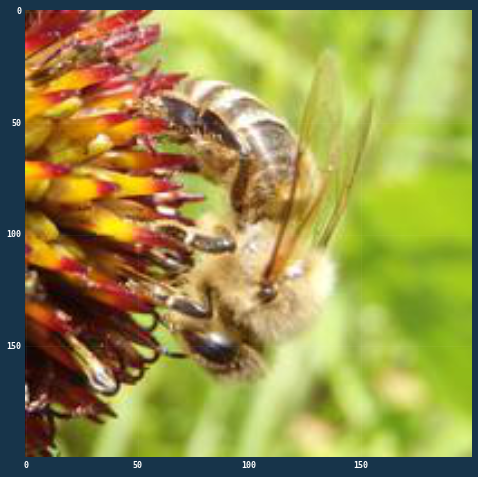
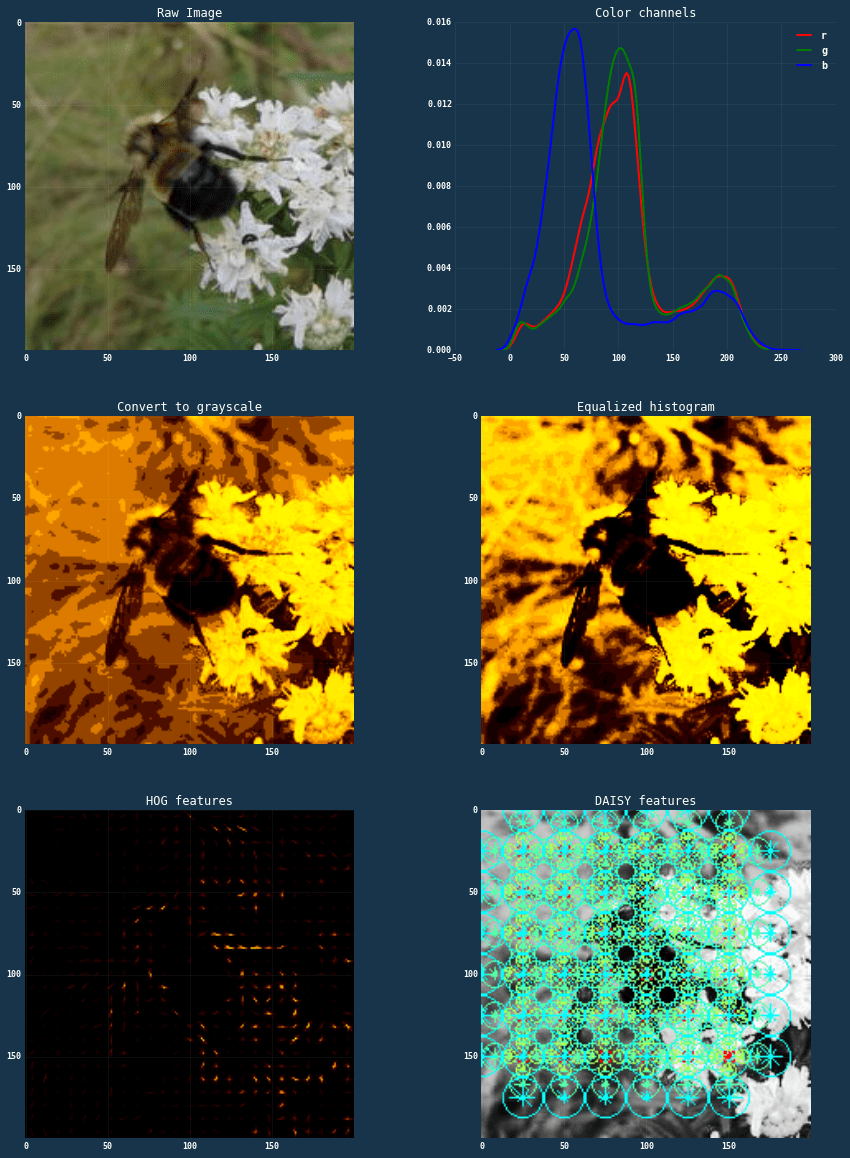
These are the people who were best able to distinguish honeybees from bumblebees and how they did it.
We're excited to launch a new comeptition with our partner Metis. The question at hand is: can you identify a bee as a honey bee or a bumble bee?
Join our newsletter or follow us for the latest on our social impact projects, data science competitions and open source work.
Learn more about how our team is bringing the transformative power of data science and AI to organizations tackling the world's biggest challenges.